
The SMA Difference: Why Customers Ask for Sarah Todd by Name
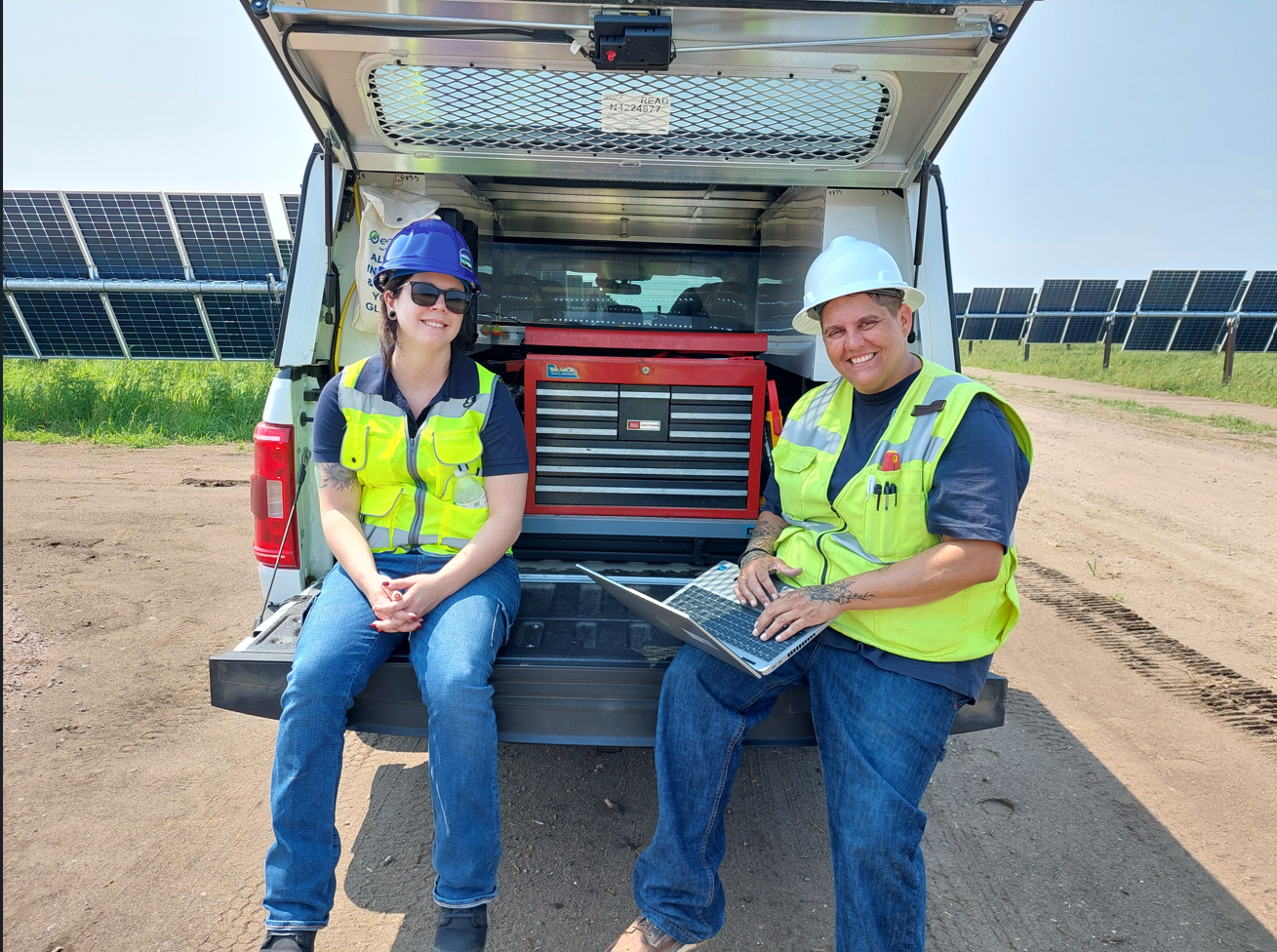
Commissioning feels like holding your breath, the final step where months of engineering and planning come together, and everything that looked good on paper proves itself in the field.
Rows of panels, perfectly placed. Cables pulled and landed. Inverters bolted down and waiting. At the center of it all, SMA’s Medium Voltage Power Station, a fully integrated system combining inverter, transformer and switchgear, delivered ready to commission. Everything is where it should be, and none of it is doing anything yet.
That’s where Sarah Todd comes in.
She calls Illinois home, but the work takes her everywhere. Minnesota, Missouri, Michigan, site after site, close to 300 nights a year in hotel rooms. She comes in when it’s time to commission and stabilize systems at scale, when the stakes are high and getting it wrong isn’t an option.
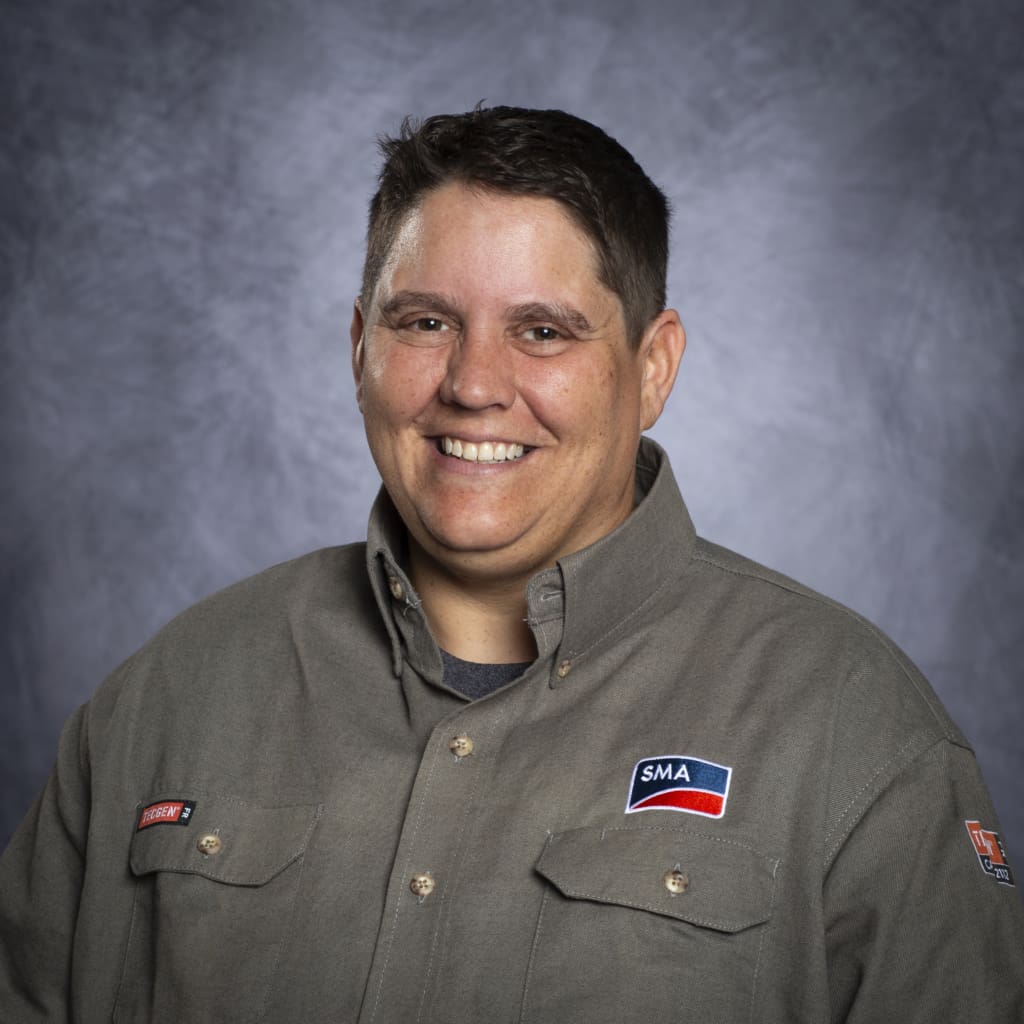
The Dedication Needed to Bring Projects to Life
No two sites run the same. Weather shifts. Every customer has a date they must hit and a reason it can’t move.
Sarah figures out the situation fast. Then she reverse engineers a way to make it happen. Adaptability isn’t a soft skill. It’s the core of thriving in the job.
It also takes patience. The kind that’s built standing in a field at the end of a long day, knowing the answer is in there somewhere and that walking away isn’t an option.
At a project site in Minnesota, she has commissioned multiple phases, each built around SMA’s Medium Voltage Power Station, handling up to 4,600 kVA and designed to come online fast. She calls them her babies.
She knows the equipment the way you know a road you’ve driven a hundred times. What purrs along. What’s about to stall.
“You can have a site sitting cold, not doing anything,” she says. “Then you throw 1200 to 1300 volts at it, and it all has to work.”
That’s when the site tells you what it’s been hiding. A fault that wasn’t there in testing. A connection that holds fine until it’s under load. A system that looked correct on paper but behaves differently once it’s live.
Sarah’s mind is already moving before the fault code finishes populating. She’s cross-referencing what she’s seeing against every other site she’s stood in, running down the list. Electrical. Mechanical. Field conditions. She narrows it down until something gives.
The clock doesn’t stop. Neither does she.
“If we’ve committed to a deadline, we’ll do whatever it takes to meet it,” Sarah says.
Some days run long. Some stretch into the weekend. The goal doesn’t change. Find it, fix it, and make it work.
The SMA Advantage, Behind the Scenes
From the outside, some problems seem simple. A ground fault, for instance.
In practice, it rarely is.
“A ground fault can come from anywhere,” Sarah says. “It might be the inverter. It might be something out in the field. You have to dig into everything.”
That’s where years on the job start to matter. SMA has been building and servicing solar systems since 1981. Pattern recognition. Knowing which direction to go first. Knowing when to pick up the phone.
And knowing who to call.
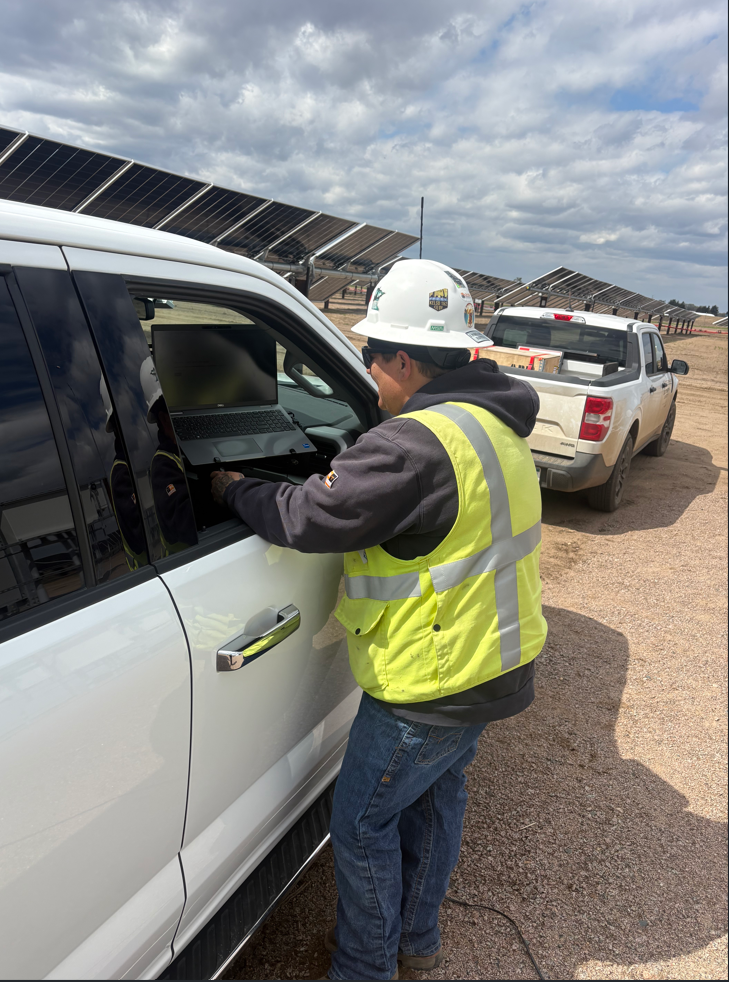
Sarah doesn’t troubleshoot alone. She works closely with SMA’s applications engineering team, the Regional Control Center and internal logistics to move parts and solutions as fast as the situation demands. That network is part of what she brings to every site, a company built to back up the person standing in the field.
“We don’t hide from problems,” she says. “We’re direct. We tell the customer what’s going on and we fix it.”
That directness is both personal and institutional. SMA has built its service model around trust. Customers get answers, not deflection. They get a timeline, not just a ticket number. And they get Sarah.
Built for the Work
SMA’s field service team is built around a particular kind of person. Technical ability matters, but so does something harder to teach. An instinct for the work. A need to figure things out that was there long before the job.
Sarah didn’t come up through a typical solar path.
She worked a range of jobs, including time at Amazon, before going back to school with a focus on wind energy. Welding. Pneumatics. Hydraulics. Circuits and devices. The kind of training that means something in the field.
She grew up working with her hands. Dirt track racing. Softball. Being outside, figuring things out as she went. Taking equipment apart and putting it back together because that’s how her mind worked and still does.
After losing her father young, she fixed what needed fixing at home because someone had to. She figured out she was good at it.
That instinct doesn’t turn off when she gets home.
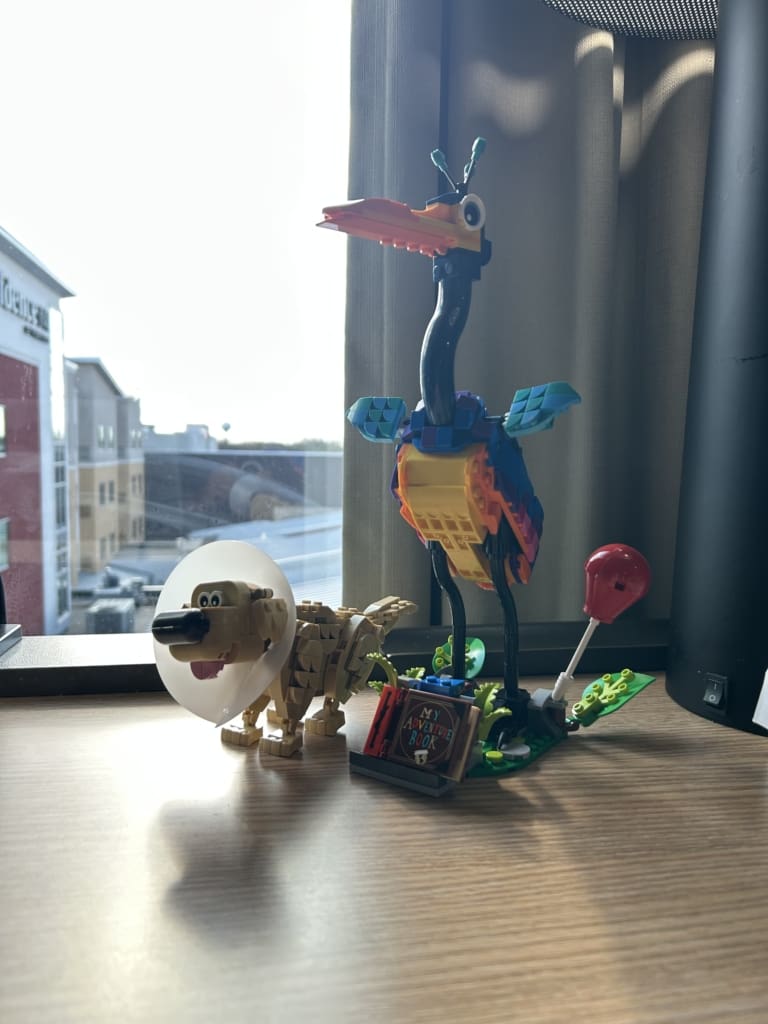
“Legos,” she says. “I build Legos and chill.”
Earning Trust in the Field
In an industry where timelines are tight and stakes are high, relationships matter.
Sarah has multiple customers she has worked with over the years that request her by name.
They appreciate that she consistently been attentive and highly involved in every aspect of her work. Her customers reflect that she demonstrates a strong commitment to getting things done, even stepping in during unplanned weekends with harsh weather. Her level of dedication has not gone unnoticed and has made a huge difference.
Over time, trust compounds. Customers learn that SMA will respond quickly, stay honest and follow through. Sarah learns the sites well enough to get ahead of them.
“We’ve grown with our customers,” she says. “You start to predict the hiccups before they happen.”
The Moment It All Works
All the troubleshooting, the long days, the weekends that become workdays, it comes down to one moment.
First power.
The inverter comes online. The system stabilizes. A project that existed on paper and then in pieces is suddenly producing clean energy for the grid.
“It’s the best sound,” she says.
She doesn’t linger. There’s another site waiting.
Feel free to contribute!