
Five Trends Shaping the Future of Community Solar
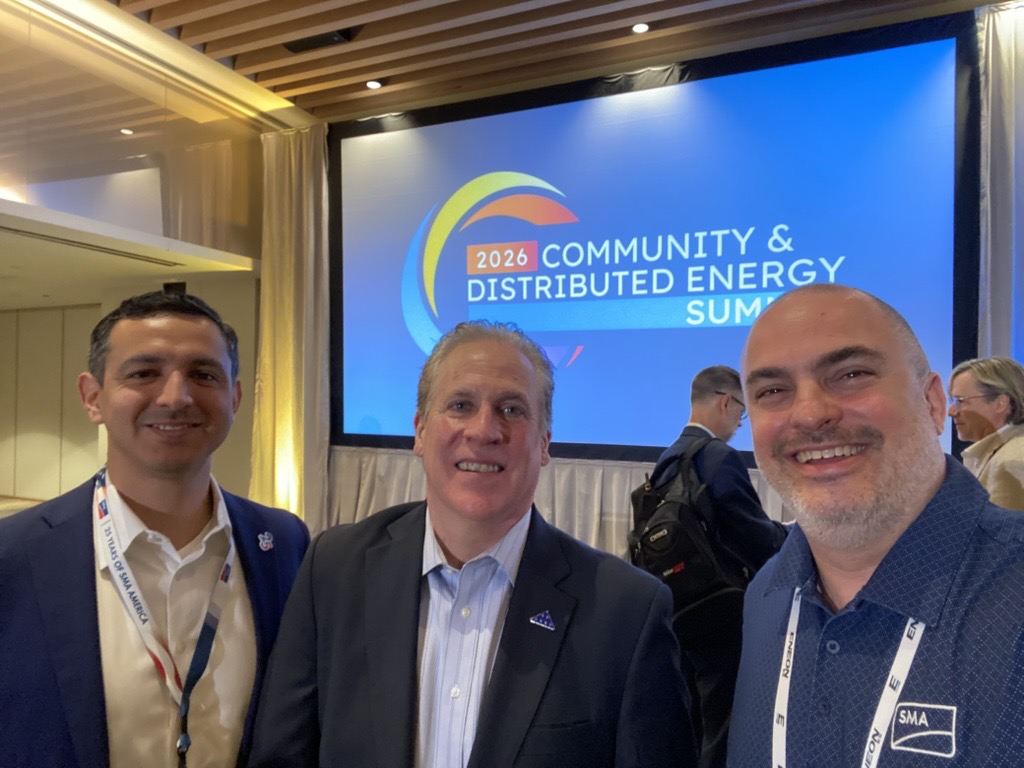
Insights from the 2026 CCSA Community and Distributed Energy Summit
The Coalition for Community Solar Access (CCSA) held its annual Community and Distributed Energy Summit in Washington, D.C.. The 2026 CCSA Summit brought together more than 500 attendees, attracting stakeholders with a shared interest in distributed energy, community solar and energy storage. The event highlighted the growing importance of community solar and distributed generation as key components of the evolving U.S. energy landscape.
“Community Solar programs are a proven asset class that provide clean, quick-to-deploy energy systems on a scale no fossil fuel can match without creating significant air quality and other hazards,” said Frank Cardenas, Midwest territory sales manager at SMA America. “Being able to respond to grid conditions, remotely adjust parameters, and pair with battery storage systems are all qualities that keep SMA at the forefront of this developing market.”
1. Emerging Markets and Long-Term Outlook
One summit session focused on heatmaps of growing and emerging markets, including Illinois, Virginia, Maryland and Pennsylvania, with common themes including interconnection challenges, increasing demand for energy storage and grid dynamics, like weighted short circuit ratios.
Throughout the summit, a clear message emerged: distributed generation continues to grow. The community solar segment shows strong, sustainable growth in areas with demand spikes and aging infrastructure. The ability to co-locate generation and demand in the same area delivers significant cost savings. These market conditions are only becoming more common.
For developers and IPPs, this reinforces the importance of long-term system planning. Inverter selection is not just about immediate costs, it also requires selecting a solution with reliability, serviceability and lifetime performance for the next 20 to 25 years of a project lifecycle.
SMA continues to support this need with solutions like the Sunny Highpower PEAK3, designed for distributed generation applications including community solar, agrivoltaics, floating PV and small utility-scale projects. With a 25-year design life, the PEAK3 aligns with long-term project needs. This solution helps developers maximize uptime and long-term asset performance.
2. Illinois: A Key Growth Market
Illinois continues to emerge as one of the largest growth markets for distributed energy. Despite operating across two grid operators, PJM and MISO, each with their own complexities, stability issues and interconnection requirements, the state government is pushing both toward long-term planning for renewable resource integration.
Earlier this year, Illinois Gov. J.B. Pritzker signed the Clean and Reliable Grid Affordability (CRGA) Act into law. The legislation includes a target of 3,000 MW of nameplate capacity by December 31, 2030, reinforcing the state’s commitment to expanding renewable energy while maintaining affordability and reliability.
“SMA is such a large part of the community solar market because of the quality that comes with 40 years of experience,” Cardenas said. “These projects are outside, in all weather, producing power, for 25 years. Long term reliability and serviceability are key to preserving the financial benefits of these energy assets.”
3. Data Center Demand and Grid Pressure
Adding to this momentum, hyperscale data center development continues to expand in Illinois, led by companies like Microsoft and Google.
“These hyperscale facilities can consume 100-300 MW each — equivalent to a small city’s power needs,” Energy Macro noted.
That level of demand places increasing pressure on the state’s grid infrastructure, accelerating the need for additional capacity from solar and energy storage to help stabilize and supplement supply.
At the same time, not all data centers are created equally. Each data center can have different energy needs, with supply often constrained by transmission bottlenecks. This creates a compelling opportunity for distributed generation renewables to meet the time to power pressures of these data centers, while also supporting the sustainability goals of owners and operators.
4. Policy, FEOC and Compliance Considerations
Questions around FEOC compliance, safe harbor rules and government incentives continue to challenge new development.
Many community solar projects rely on state and federal tax incentives, making them particularly sensitive to Foreign Entity of Concern (FEOC) restrictions. Projects risk losing eligibility for these incentives if they use equipment sourced from a Prohibited Foreign Entity (PFE). Beginning in 2026, new thresholds limit how much PFE-sourced material can be included in a project. For PV projects, at least 40% of manufactured components must come from non-PFE suppliers, while energy storage projects require at least 55%, with these thresholds increasing over time by 5 percentage points annually.
As a result, FEOC requirements were a major topic of discussion at the CCSA summit. In the near term, they are creating headwinds for community solar, including higher project costs, increased supply chain complexity, slower deployment timelines and a smaller pool of compliant products. Over the longer term, however, the market is expected to shift toward greater reliance on domestic and FEOC-compliant supply chains, potentially strengthening U.S.-based manufacturing and reshaping procurement strategies across the industry.
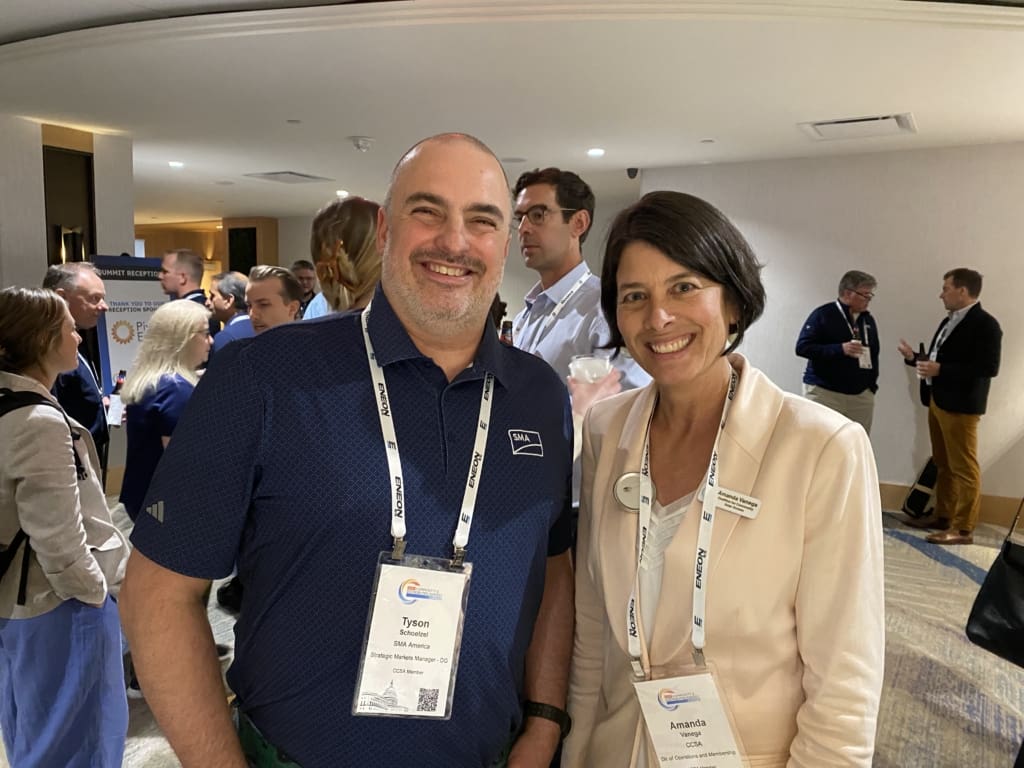
“Despite the overtones of FEOC and supply chain concerns amidst ever-changing policies, the community solar and distributed generation markets remain strong,” said Tyson Schoelzel, strategic markets manager with SMA America, who attended the 2026 CCSA Summit and engaged in discussions with developers.
“SMA continues to observe and support growth of these segments, which are critical to helping make solar more affordable and accessible to people and communities across the country.”
Closely related to FEOC and PFE issues is the ability of grid operators and power plant owners to deliver reliable and secure power. The 2026 CCSA Summit also featured sessions on several key and emerging topics, including cybersecurity.
“Solar and battery energy storage systems, which work together to provide reliable, around-the-clock power, are among the fastest-deployable and cleanest energy sources,” Schoelzel said. “Data centers are extremely power-hungry and are often built quickly. When existing infrastructure and available generation cannot support these facilities, especially those located along fiber-optic corridors and near population centers to reduce latency, solar paired with storage is often the solution.”
5. Storage and Future Opportunity
Energy storage is becoming a critical component of community solar and distributed generation projects. Developers are increasingly looking for PV + storage solutions to balance the supply and demand of renewable energy resources. Now more than ever, both standalone PV and PV + storage depend on a clear, strategic focus.
“To date, most storage has been installed in the bookend segments of residential or large-scale utility. With the good work of CCSA, community solar and distributed generation continue to rise and evolving incentive programs are helping to favor both standalone storage and PV + storage projects. SMA recognizes this expanding market opportunity and has introduced a string storage inverter, the Sunny Highpower Storage, for its flexibility of system designs and up-time reliability, which are hallmark attributes of SMA products.”
Final Takeaway
It was clear from this year’s CCSA Summit that distributed generation and community solar are entering a phase of long-term growth and demand. Developers, EPCs and asset owners must plan beyond the next few years and prioritize the focus on long-term performance, reliability and adaptability.
Maintaining close dialogue with all parties involved will be essential to maintaining timelines and budgets for new builds. SMA is increasingly engaging directly with industry partners and EPCs about design considerations, best practices and O&M planning. Engaging with local SMA Sales Managers early can help remove roadblocks, catch costly design changes and better support project success in the community solar space.
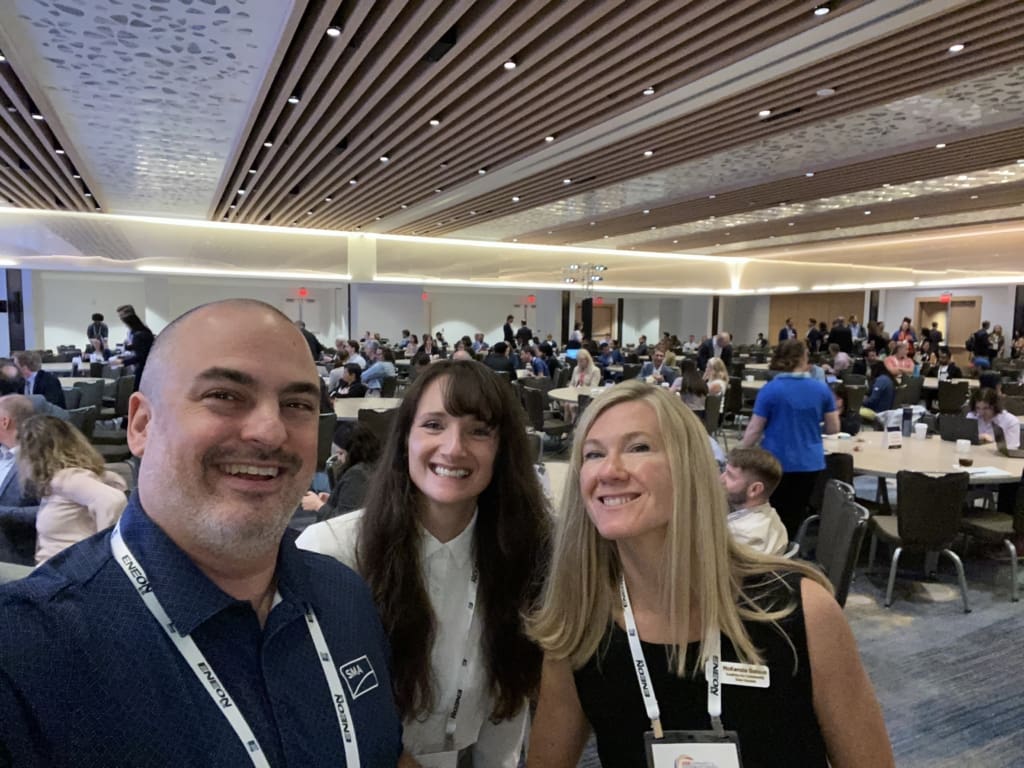
Schoelzel called the event a success and said, “Thanks to CCSA, its members and attendees of this annual summit, the outlook for distributed generation and community solar remains strong and will continue to be a key focus for stakeholders across the solar and storage industry.”
SMA is proud to be one of those stakeholders. In a market where technologies and OEM providers can shift over time, selecting partners and solutions designed for longevity, backed by strong service and proven performance, will be critical to ensuring projects deliver value over their full lifecycle.
For product information about the Sunny Highpower PEAK3 please reach out to InsideSales@sma-america.com.
Feel free to contribute!